Why MMORPGs Dominate the Co-op Games Scene: Exploring the Connection and Community
Massively Multiplayer Online Role-Playing Games (MMORPGs) have become a defining feature of the gaming landscape. Their unique blend of expansive worlds, intricate storytelling, and intricate community connections has propelled them to popularity. In this article, we delve deep into the reasons behind the dominance of MMORPGs in the co-op gaming scene, exploring their impact on player interactions, game mechanics, and the overall experience. Let's embark on this journey to understand the community that flourishes within these digital landscapes.
Understanding MMORPGs and Co-op Games
Before we dive into the specifics, let’s first clarify what MMORPGs and co-op games are. MMORPGs are online games that allow a large number of players to interact within a virtual world, often featuring quests, leveling up, and community events. Co-op games, on the other hand, are designed for players to work together toward common objectives. The intersection of these two genres provides a remarkable gaming experience that attracts millions worldwide.
The Power of Community: Building Bonds
One of the key elements that set MMORPGs apart is their ability to create a sense of community. Players are not just participants in a game; they are part of a thriving ecosystem where relationships are forged. Through guilds, alliances, and group raids, players collaborate. This human element is missing in many traditional co-op games, where interactions can be limited to mere gameplay.
The Role of Communication in MMORPGs
Communication plays a pivotal role in MMORPGs. Whether it's through in-game voice chat, messaging systems, or forums, players can strategize and discuss their experiences. This ongoing dialogue fosters a sense of belonging and loyalty within the community. In contrast, many co-op games don't offer the same level of communication options, which can lead to a more isolated experience.
Game Mechanics that Enhance Cooperation
MMORPGs are designed with complex game mechanics that push players to cooperate. Quests often require multiple players to tackle tougher challenges or bosses, encouraging teamwork. For instance, in World of Warcraft, players strategize their roles in raids, leveraging each character's abilities for a collective victory. This level of collaboration is a significant contributor to the genre's success, setting it apart from one-off co-op experiences.
Storytelling: The Secret Ingredient
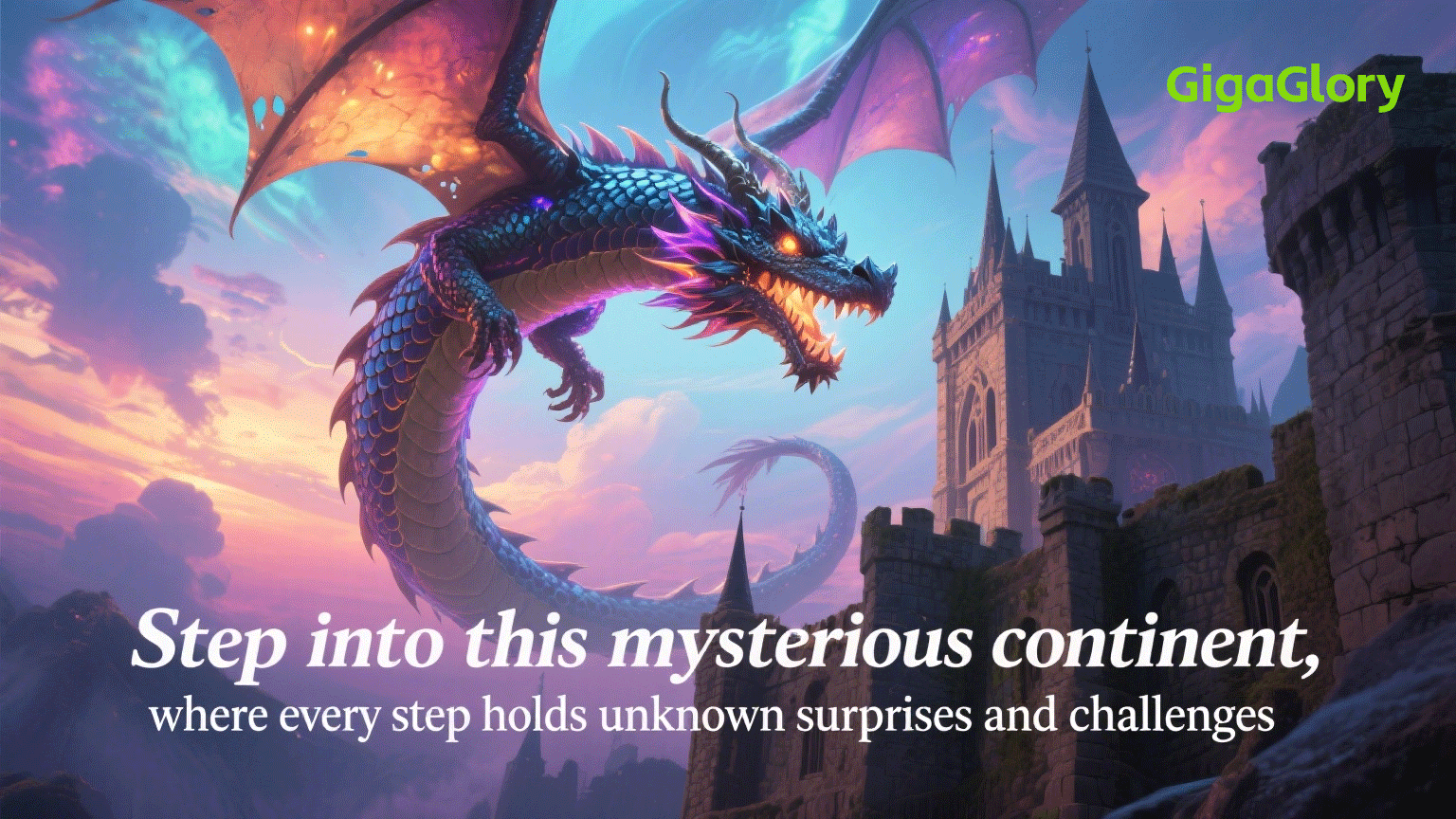
One cannot discuss MMORPGs without mentioning their narratives. The best MMORPGs offer rich, immersive stories that unfold over time. Players are not just fighting for loot; they are part of an overarching narrative that engages them emotionally. This depth of storytelling is not commonly seen in traditional co-op games, where the plot can often take a backseat to gameplay mechanics.
Inclusive Gameplay Mechanics
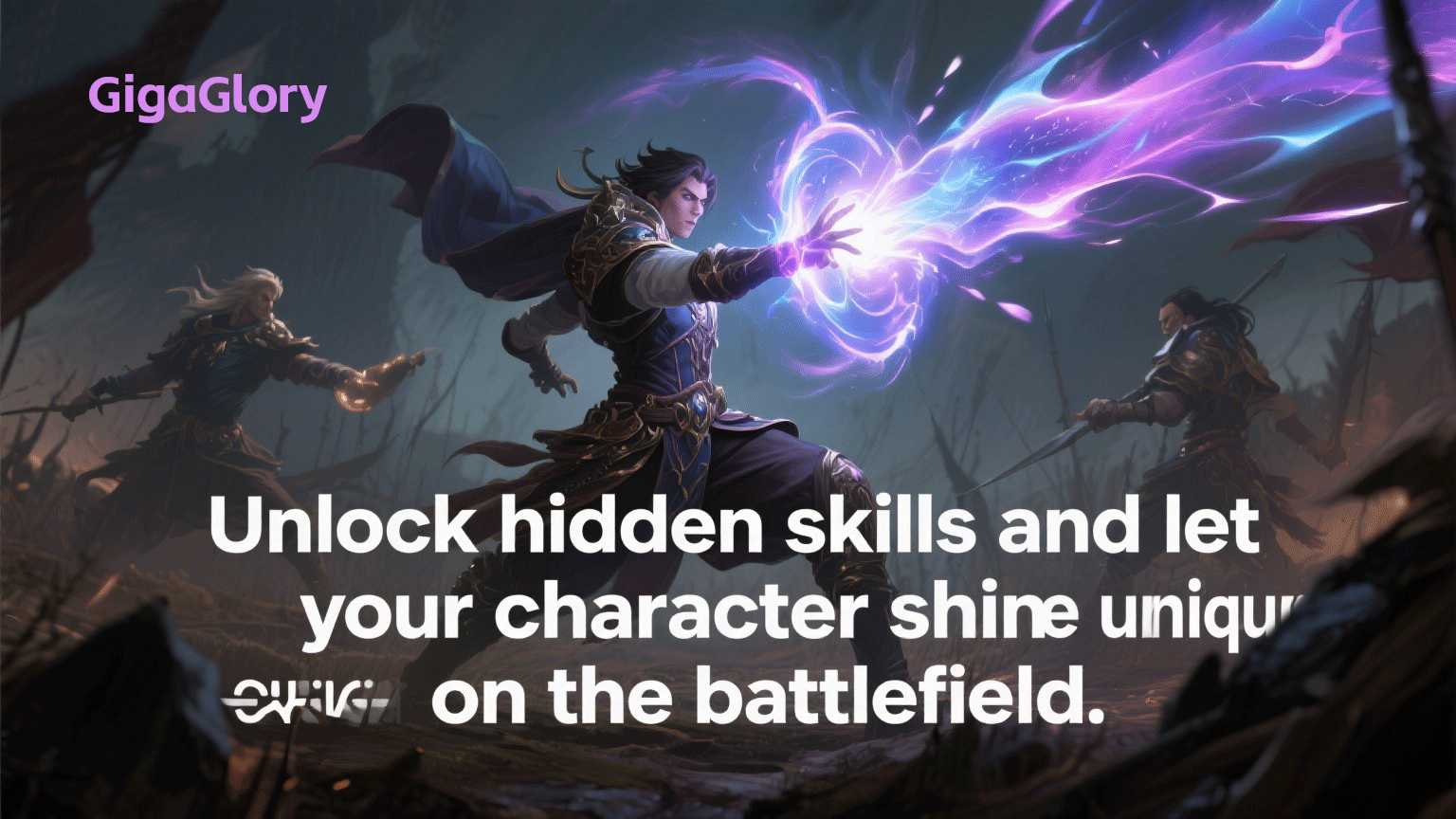
MMORPGs often embrace various playstyles and demographics. They provide numerous classes and specializations for players to choose from, ensuring that everyone can find their niche. For example, a player can opt to be a healer, tank, or damage dealer. This choice adds layers to teamwork, where each player contributes their unique skill set, unlike standard co-op games that may offer a more limited selection of roles.
Longevity and Player Retention
One often-overlooked aspect of MMORPGs is their longevity. With regular updates, expansions, and community events, these games keep players coming back. In stark contrast, many co-op games fade away after the initial excitement because their content runs dry quickly. This cycle of renewal creates enduring experiences that MMORPG players cherish.
Economic Opportunities Within MMORPGs
MMORPGs also open doors for economic interactions that don't typically happen in co-op games. Players can trade items, barter resources, and engage in in-game economies. Some players even turn their in-game skills into real-world income through streaming or competitive gameplay. This layer of interaction is not typically found in traditional co-op environments.
Accessibility and the Digital Age
With the rise of the digital age, MMORPGs have become increasingly accessible. Available on multiple platforms and with significant mobile adaptations, they cater to a wide audience. This broadens the appeal and allows for a more diverse player base, reflecting a community that embraces variety over uniformity.
Diagram of MMORPG Features vs. Traditional Co-op Games
| Feature | MMORPGs | Traditional Co-op Games |
|---|---|---|
| Community Engagement | High | Moderate |
| In-Game Communication | Extensive | Limited |
| Story Depth | Rich | Simplistic |
| Role Variety | High | Moderate |
| Economic Interaction | Available | Rarely Available |
Key Elements of MMORPG Success
- Community and Social Interaction: Foster strong relationships between players.
- Dynamic Game Mechanics: Encourage teamwork and strategizing.
- Immersive Storytelling: Engage players on an emotional level.
- Variety of Roles: Allow players to choose their playstyle.
- Longevity: Keep the game fresh and exciting with updates.
Conclusion: The Unique Edge of MMORPGs in Co-op Gaming
There's no denying that MMORPGs have carved out a unique space in the realm of cooperative gaming. Their ability to foster community, provide deep storytelling, and create lasting experiences gives them an edge over traditional co-op games. As gaming continues to evolve, it will be fascinating to see how MMORPGs adapt to these changes while maintaining their core identity. For players seeking meaningful interaction and engagement, MMORPGs stand at the forefront, proving time and again why they dominate the co-op scene.